Healthcare in India is undergoing a major digital transformation, and Digital Health ID India 2026 stands at the center of this change. With a growing population and increasing demand for accessible, efficient medical care, the government has accelerated efforts to digitize healthcare systems nationwide. The expansion of the Digital Health ID aims to simplify how citizens access doctors, hospitals, and insurance while securely managing online health records. By integrating public and private health services into a unified digital ecosystem, this initiative is designed to reduce inefficiencies, improve continuity of care, and empower citizens with greater control over their medical data. In 2026, Digital Health ID is no longer optional—it is becoming foundational to modern healthcare delivery in India.
What Is Digital Health ID and How It Works
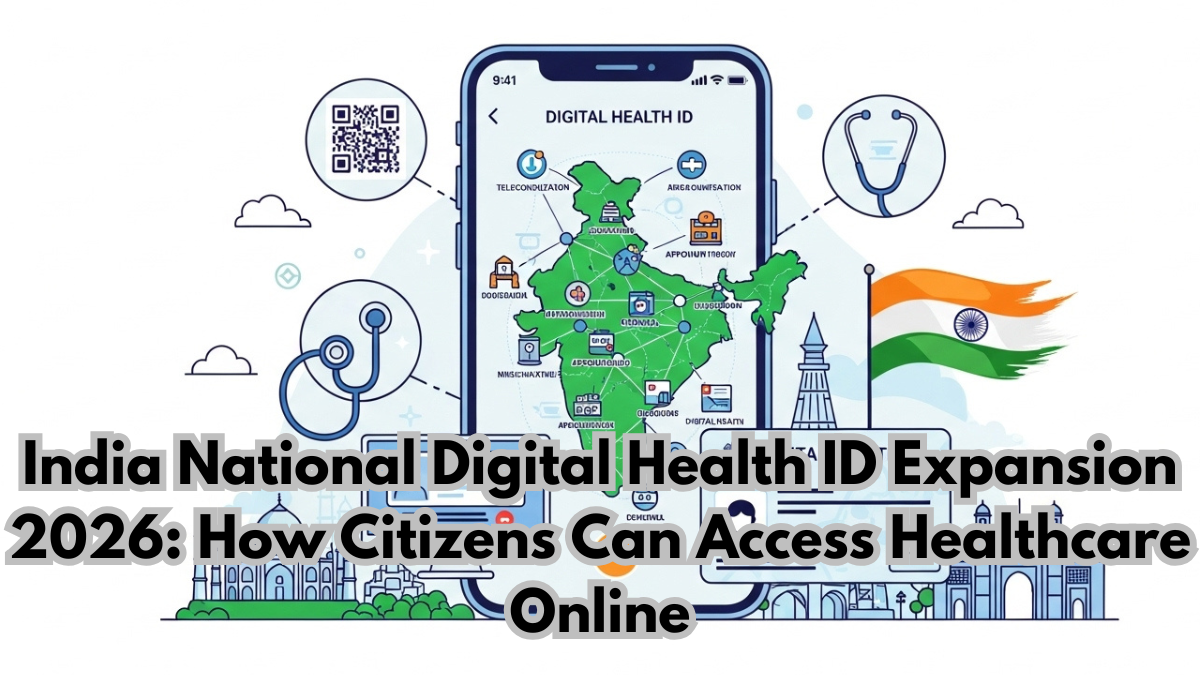
At its core, Digital Health ID India 2026 is a unique digital identity linked to an individual’s medical information. This ID allows citizens to store, access, and share online health records across healthcare providers with their consent. Instead of carrying physical files or repeating medical histories, patients can authorize doctors to view relevant records instantly. The system is designed to work across public hospitals, private clinics, labs, pharmacies, and insurance platforms. By connecting these health services through a standardized digital framework, the Digital Health ID ensures that patient data flows securely and efficiently while maintaining privacy and consent-based access.
Key Features of Digital Health ID India 2026
The expansion phase of Digital Health ID India 2026 introduces enhanced functionality and wider coverage. More hospitals, diagnostic centers, and digital platforms are being integrated into the network, making online health records more comprehensive and reliable. Citizens can access health information through mobile apps and web portals, ensuring ease of use even in remote areas. Strong data protection protocols are built into the system to safeguard sensitive information. By unifying fragmented health services, the Digital Health ID creates a more transparent and patient-centric healthcare experience.
Key features include:
- Unique digital health identification for each citizen
- Secure storage and sharing of online health records
- Consent-based access for doctors and hospitals
- Integration across public and private health services
- Easy access through mobile and digital platforms
These features make Digital Health ID India 2026 a critical tool for modern healthcare management.
Comparison Table: Traditional Healthcare vs Digital Health ID System
| Aspect | Traditional System | Digital Health ID India 2026 |
|---|---|---|
| Medical Records | Paper-based | Online health records |
| Data Access | Fragmented | Unified access |
| Patient Control | Limited | High consent control |
| Healthcare Coordination | Low | Integrated health services |
| Time Efficiency | Slow | Fast and digital |
This table highlights how Digital Health ID India 2026 improves efficiency, transparency, and patient empowerment compared to traditional systems.
How Digital Health ID Improves Access to Health Services
One of the biggest advantages of Digital Health ID India 2026 is improved access to health services, especially for citizens who frequently move between cities or states. With centralized online health records, doctors can quickly review medical histories, reducing diagnostic delays and unnecessary tests. Telemedicine platforms also benefit, as practitioners can access verified patient data remotely. For emergency care, instant access to health information can be life-saving. By connecting diverse health services under one digital umbrella, the system ensures continuity of care regardless of location or provider.
Role of Online Health Records in Preventive and Personalized Care
The use of online health records under Digital Health ID India 2026 is transforming healthcare from reactive treatment to proactive prevention. Continuous digital records allow doctors to track health trends, identify risks early, and recommend preventive measures. Personalized treatment plans become more accurate when complete medical histories are available. Over time, aggregated anonymized data can also help policymakers improve public health services by identifying disease patterns and resource gaps. This data-driven approach enhances both individual care and system-wide efficiency.
Challenges and Privacy Concerns
Despite its benefits, Digital Health ID India 2026 faces challenges related to digital literacy, infrastructure, and data privacy. Not all citizens are equally comfortable using digital platforms, especially in rural areas. Ensuring secure handling of online health records is critical to maintaining public trust. Robust consent frameworks, encryption, and clear governance are essential to prevent misuse. Addressing these concerns is key to ensuring widespread adoption and long-term success of digital health services in India.
Conclusion: The Future of Healthcare Through Digital Health ID
The expansion of Digital Health ID India 2026 marks a major step toward a more inclusive, efficient, and patient-centric healthcare system. By enabling seamless access to online health records and integrating diverse health services, the initiative empowers citizens and healthcare providers alike. While challenges remain, the long-term benefits of improved access, better coordination, and data-driven care are substantial. As adoption grows, Digital Health ID has the potential to redefine how healthcare is delivered and experienced across India.
FAQs
What is Digital Health ID India 2026?
Digital Health ID India 2026 is a unique digital identity that allows citizens to manage and share their medical information securely.
How do online health records benefit patients?
Online health records provide quick access to medical history, reduce paperwork, and improve continuity of care.
Is Digital Health ID mandatory for accessing health services?
No, participation is voluntary, but it significantly simplifies access to digital health services.
How is data privacy protected under Digital Health ID?
Strong consent mechanisms and security protocols protect online health records from unauthorized access.
Can Digital Health ID be used for telemedicine?
Yes, Digital Health ID India 2026 supports telemedicine by enabling secure access to patient records across health services.
Click here to learn more